
Specialist Care in Singapore
Stomach Cancer Surgery
Understanding the Condition
Already Diagnosed?
Get an Expert Second Opinion
A diagnosis of stomach (gastric) cancer raises urgent questions — and you deserve clear, specialist answers before committing to a treatment path.
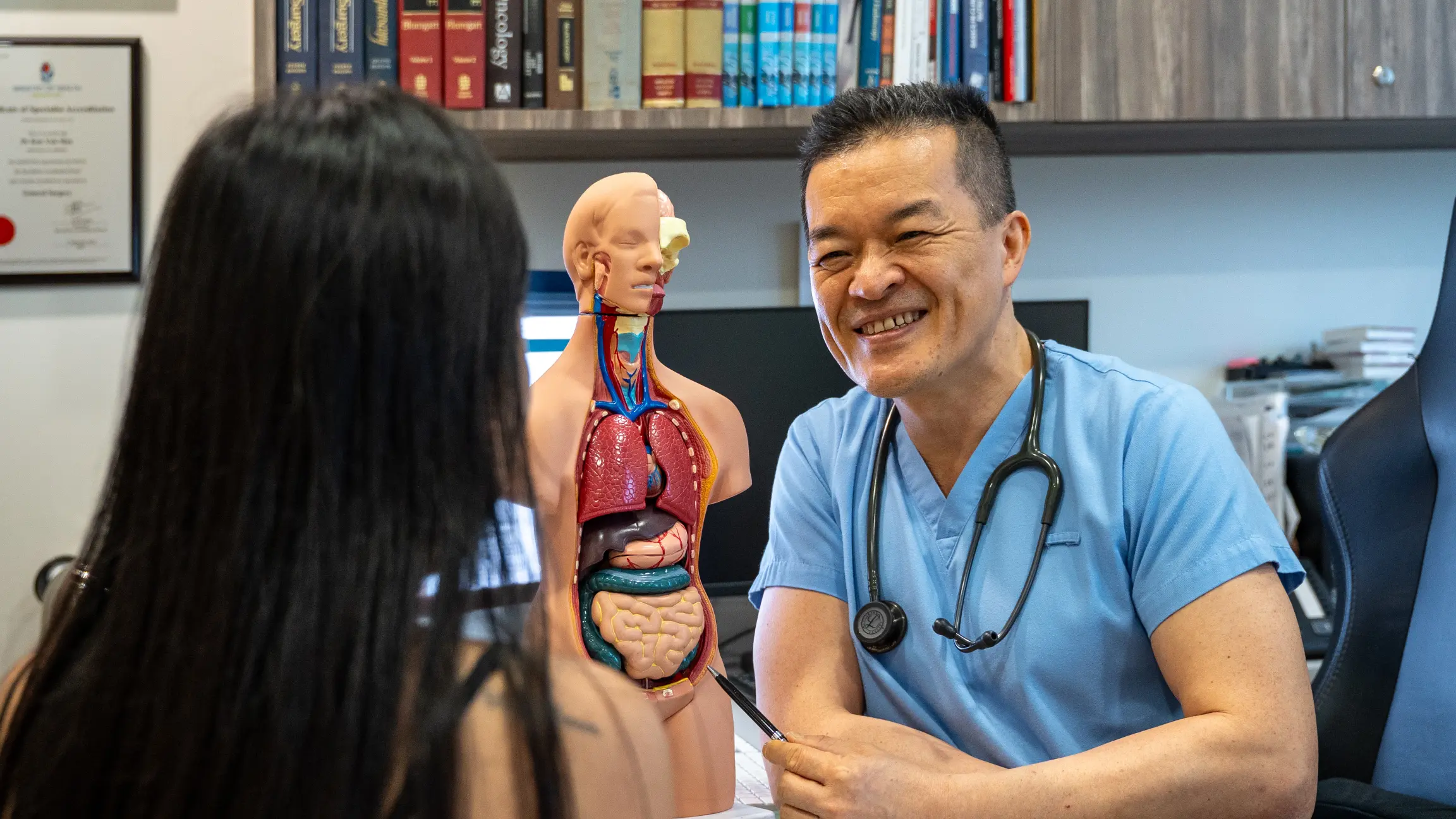
Dr Kan Yuk Man is a Senior Consultant Surgeon with over 25 years’ experience in Upper GI and surgical oncology, fellowship-trained in minimally invasive (keyhole) surgery for stomach and oesophageal cancers in Brisbane, Tokyo and Hong Kong.
Bring your scans, biopsy and reports for an independent review of your diagnosis, staging and treatment options — with a clear, honest explanation of what’s ahead.
- Appointments within 1-2 working days
- Private practice
- Insurance & Medisave accepted
- Tele-consultation available
How We Treat It
Stomach Cancer Treatment Procedures
Our clinic specializes in a comprehensive range of treatments for stomach cancer, tailored to meet each patient’s unique needs, including:

Biopsy Procedures
Performed to confirm stomach cancer diagnoses and guide personalized treatment strategies.

Cancer Removal & Treatment
Experienced doctor in surgical tumor removal, ensuring precise and effective outcomes.

Chemotherapy & Immunotherapy
Collaborative care with oncologists to integrate therapies into holistic treatment plans.

Endoscopic and Laparoscopic Surgeries (Keyhole)
Minimally invasive procedures to remove tumors and reduce recovery time. Tumor Ablation, Removal, and Resection: Focused techniques for effective tumor elimination.

Sarcoma Excision
Focused surgical care for sarcomas associated with stomach cancer.

Pancreaticoduodenectomy
Better surgical options for complex cases requiring extended care.
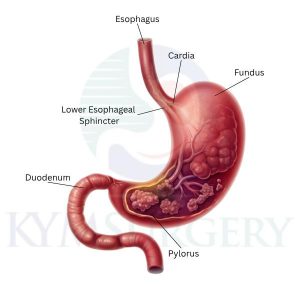
Why See a Stomach Cancer Specialist?
If your general practitioner has referred you to a stomach cancer specialist, it is typically because further investigation or surgical intervention is required. A surgical oncologist is an essential part of the treatment process, especially when surgery is considered as a primary option for managing stomach cancer.
Some reasons to visit a stomach cancer doctor include:
- Experiencing persistent symptoms such as abdominal pain, unexplained weight loss, or difficulty swallowing.
- Following a GP’s referral for suspicious findings that may indicate stomach cancer.
- Developing complications from existing cancer requiring surgical treatment.
Watch Out For
Symptoms of Stomach Cancer
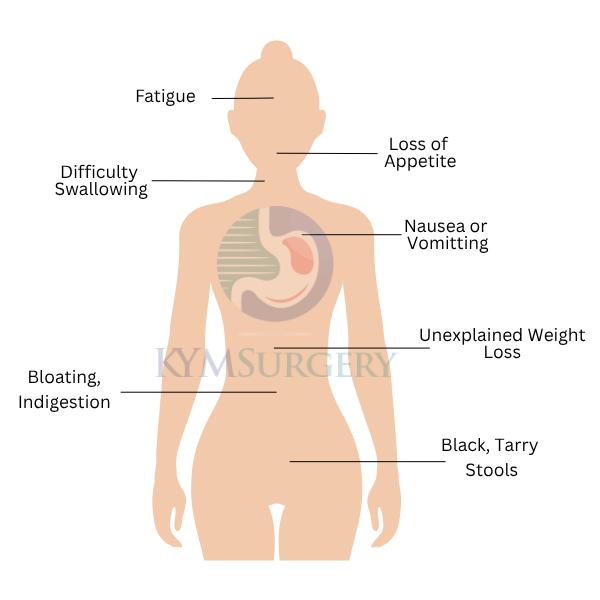
Many early symptoms are subtle and easy to dismiss. If you experience any of the following consistently, see a specialist promptly.
Recognizing the symptoms of stomach cancer early can be crucial for effective diagnosis and treatment. Some common symptoms include:
- Persistent abdominal pain or discomfort, which may feel like indigestion or bloating.
- Unexplained weight loss, even with no significant changes in diet or physical activity.
- Difficulty swallowing, also known as dysphagia, which can worsen over time.
- Nausea and vomiting, particularly if it contains blood or resembles coffee grounds.
A feeling of fullness after eating small amounts of food. - Loss of appetite or an overall sense of fatigue.
- Black, tarry stools, which may indicate bleeding in the stomach.
⚠️ Important: These symptoms can also indicate stomach cancer or other conditions. Prompt evaluation by a specialist is essential for accurate diagnosis.
Know Your Risks
Causes of Stomach Cancer
Helicobacter pylori (H. pylori) Infection
Chronic infection with H. pylori bacteria has been linked to inflammation of the stomach lining and an increased risk of developing stomach cancer.
Dietary Factors
Consuming a diet high in smoked, salted, or processed foods and low in fruits and vegetables can contribute to stomach cancer development.
Smoking and Alcohol Use
Tobacco use and excessive alcohol consumption have been identified as significant risk factors.
Family History
A family history of stomach cancer may indicate a genetic predisposition to the disease.
Medical Conditions
Conditions such as chronic gastritis, pernicious anemia, or stomach polyps can increase the likelihood of stomach cancer.
Obesity
Being overweight or obese is associated with a higher risk of several cancers, including stomach cancer.
Understanding these causes empowers individuals to make informed lifestyle choices and seek early medical advice if they are at risk.
Your Path Forward
Stomach Cancer Staging Assessment
For patients diagnosed with stomach cancer, undergoing a staging evaluation is a critical step in the treatment process. Determining the stage of the disease helps doctors suggest treatment plans to the individual’s specific condition and provides valuable insights into potential outcomes. Staging is typically conducted through a series of investigations, which may include:
1
CT Scan
CT Scan of the chest, abdomen, and pelvis to assess the extent of cancer spread.
2
Positron Emission Tomography
Positron Emission Tomography (PET) or CT scans for a more detailed evaluation of cancer activity and location.
3
Laparoscopy
Laparoscopy to detect whether the cancer has spread to the peritoneum.
Gastric Stomach Cancer Screening in Singapore
We understand the critical importance of early detection, especially for cancers like stomach (gastric) cancer, which often presents with no noticeable symptoms in its initial stages. While many gastric cancers are identified when patients experience symptoms, proactive screening offers the best chance for successful treatment.
When gastric cancer is suspected, we may recommend scans or diagnostic procedures, a common one being an Upper Endoscopy, also called Oesophagogastroduodenoscopy (OGD) or Gastroscopy for short. This is a highly effective method that allows us specialists to directly visualize the upper digestive tract.
During an OGD, a thin, flexible tube equipped with a light and a miniature video camera (an endoscope) is gently guided down your throat. This provides a clear, magnified view of the inner lining of your oesophagus, stomach, and the initial section of your small intestine (duodenum).
If any abnormal areas or suspicious growths are observed, small tissue samples (biopsies) can be safely collected using instruments passed through the endoscope. These samples are then meticulously examined under a microscope in a laboratory to determine if cancer cells are present.
Frequently Asked Questions
About Stomach Cancer
A suspected or confirmed diagnosis of stomach (gastric) cancer can be a daunting experience. We cannot overstate the importance of early detection and prompt intervention in effectively managing this disease. Regardless of the stage of gastric cancer, securing timely support and medical advice is paramount.
Schedule an appointment with our surgical oncologist as soon as possible. Our team is here to guide you through every step of your journey, offering expert advice, advanced treatment options, and compassionate support.
Life expectancy for stomach cancer varies significantly with the stage of diagnosis. In Singapore, the average 5-year survival rate is around 32%. However, if diagnosed and treated at an early stage (Stage 1), the 5-year survival rate can be over 80%. For advanced stages (e.g., Stage IV where cancer has spread widely), the 5-year survival rate can be less than 5%.
Symptoms of final or advanced stage stomach cancer typically indicate the cancer has spread. These can include:
- Significant, unexplained weight loss
- Persistent stomach pain or discomfort
- Difficulty swallowing
- Severe nausea and vomiting (possibly with blood)
- Black, tarry stools (indicating bleeding)
- Feeling very fatigued or weak
- Swelling in the abdomen (due to fluid buildup or spread to the peritoneum)
- Jaundice (yellowing of skin/eyes) if cancer has spread to the liver
- Symptoms related to the spread of cancer to other organs (e.g., breathing difficulties if spread to lungs, bone pain if spread to bones)