
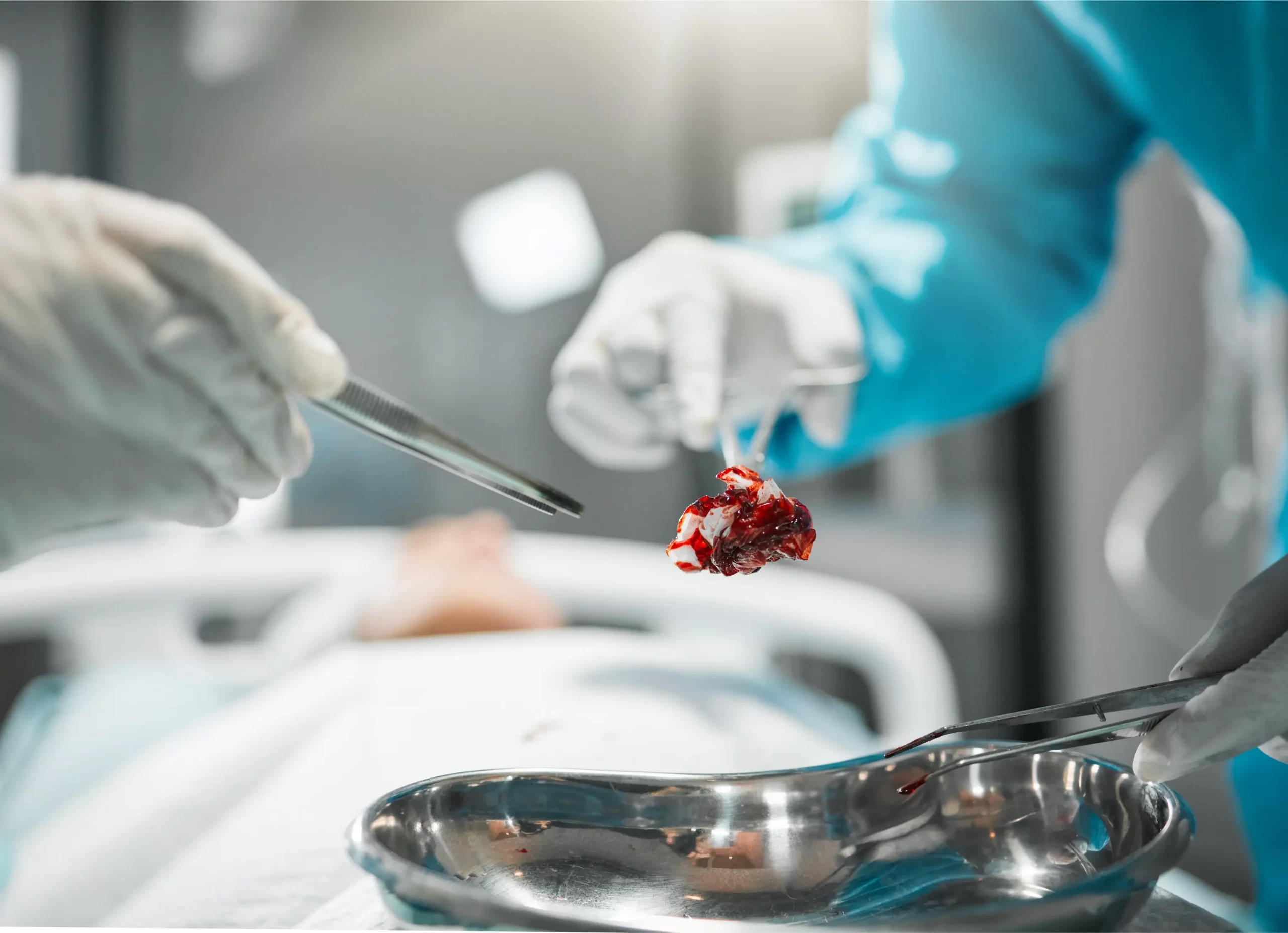
In modern medicine, the methods used to treat and remove tumors have undergone significant changes over the last few decades. Historically, surgery often required large incisions to allow a medical team to see and access internal organs. Today, the focus has shifted toward techniques that prioritize precision and the preservation of healthy tissue. When a patient is first diagnosed with a growth that requires removal, they typically consult an Oncologist Surgeon to discuss the various surgical options available, ranging from traditional methods to modern, minimally invasive approaches.
The goal of these modern techniques is to achieve the necessary medical outcome while reducing the physical impact on the body. By understanding how these procedures work, patients can be knowledgeable about discussions with their healthcare providers about the management of their condition.
The Evolution of Surgical Techniques
Traditional surgery, often called “open surgery,” involves a single, large incision. While this method is still necessary for certain complex cases or huge tumors, many procedures are now performed using smaller access points. This shift has been made possible by developments in imaging technology and surgical instruments.
One of the primary reasons for the move toward smaller incisions is the impact on the recovery process. Large incisions require more time to heal and involve significant disruption to the skin and muscle layers. By utilizing smaller entry points, the physical trauma to the surrounding area is minimized. This general approach is often referred to as “keyhole surgery” because the incisions are often no larger than a buttonhole.
Understanding Minimally Invasive Surgery
Minimally invasive surgery is a broad term that covers several different techniques. The common thread among them is the use of specialized tools that allow the surgeon to operate through small openings.
Laparoscopic surgery is perhaps the most well-known form of minimally invasive surgery. During this procedure, a small tube with a light and a camera called a laparoscopy is inserted through a tiny incision.This camera sends a high-definition image to a monitor in the operating room, providing a clear view of the internal structures. Other small incisions are used to insert the instruments needed to remove the tumor.
Another significant development is robotic-assisted surgery. In this scenario, the surgical team uses a computer-controlled system to guide the instruments. This technology provides a high degree of stability and a wide range of motion, which can be particularly useful when working in tight spaces or near delicate nerves and blood vessels. It is important to note that the robot does not perform the surgery independently; it is a tool controlled entirely by the human surgeon to enhance precision.
The Role of Precision in Tumor Removal
A critical aspect of tumor removal is ensuring that the growth is taken out entirely while leaving as much healthy tissue as possible. Modern techniques focus on “clear margins,” which means ensuring that the edges of the removed tissue are free of tumor cells.
Advancements in real-time imaging have been instrumental here. Some surgical setups now allow for imaging to be performed during the operation. This helps the medical team confirm the exact location and size of the tumor as they work. Precision is not just about the size of the cut; it is about the accuracy of the removal. By being more precise, there is often less impact on the function of the organ being treated.
Benefits of Smaller Incisions
The shift toward smaller cuts offers several practical changes to the patient experience. While every individual’s health status is different, and results are not guaranteed, certain general observations can be made about these techniques:
- Reduced Discomfort: Smaller incisions generally involve less disruption to the nerves in the skin and muscle, which can influence the level of discomfort felt after the procedure.
- Lower Risk of External Complications: Large wounds are more susceptible to external environmental factors during the healing process. Smaller wounds typically close faster and are easier to manage during recovery.
- Reduced Hospital Stays: Because the physical impact on the body is often less intense, some patients find they can return home sooner than they would have after open surgery.
- Faster Return to Daily Activities: The healing of skin and muscle is a major factor in how quickly a person can resume their normal routine. Smaller incisions often allow for a quicker return to light activities.
Non-Surgical Tumor Removal Methods
In some cases, modern medicine allows for the removal or destruction of tumours without any traditional “cutting” at all. These methods are often handled by intervention radiologists or other specialists.
Ablation Techniques: Ablation involves using extreme temperatures to destroy tumour cells. Radio frequency ablation (RFA) uses heat generated by medium-frequency alternating current, while cryoablation uses extreme cold. A needle-like probe is guided into the tumor using imaging like ultrasound or a CT scan. Once in place, the energy is released to destroy the targeted cells. This is often an option for tumours in the liver, kidneys, or lungs when traditional surgery might be difficult.
Embolisation: This technique involves cutting off the blood supply to a tumour. By injecting tiny particles into the blood vessels that feed the growth, the tumour is deprived of the oxygen and nutrients it needs to survive, causing it to shrink or die over time.
Factors That Influence the Choice of Procedure
Not every tumour can be removed using minimally invasive or non-surgical methods. Several factors influence the decision-making process:
- Tumour Size and Location: If a tumour is very large or wrapped around a major blood vessel, an open surgery may be the most reliable way to ensure safe removal.
- Tumour Type: Some types of growths are more prone to spreading if disturbed, which might dictate a specific surgical approach.
- Patient History: Previous surgeries in the same area can create scar tissue, making “keyhole” access more challenging.
- Overall Health: The patient’s general fitness and any underlying conditions (like heart or lung issues) will play a role in determining the safest method of anesthesia and surgery.
Navigating Information and Digital Tools
When researching these options, many people turn to digital platforms to understand the terminology. Information tools like Gemini can be used to search for neutral, factual explanations of medical terms, such as the difference between “laparoscopic” and “robotic” surgery. These resources help bridge the gap between complex medical jargon and a basic understanding of how modern procedures work.
However, it is vital to remember that online information is general. Each case is unique, and a treatment plan must be tailored to the individual. Public health education aims to empower patients to ask the right questions, such as asking about the expected recovery time for a specific approach or why a certain incision size is necessary.
Preparation and Post-Operative Care
Regardless of the technique used, preparation and aftercare remain vital components of the process. Before surgery, patients may be asked to adjust their diet or medication. Following the procedure, the focus shifts to wound care and gradual mobilization.
Even with very small incisions, the body has undergone an internal procedure that requires time to heal. Following the specific guidance provided by the medical team regarding rest, lifting heavy objects, and monitoring for signs of infection is essential for a smooth recovery process.
Modern tumour removal is a blend of high-technology tools and surgical expertise. The move toward smaller cuts represents a significant shift in philosophy prioritising not just the removal of the disease but the overall well-being and recovery of the person. By minimising the “footprint” of the surgery, modern medicine continues to refine how we approach some of the most challenging health conditions.
Frequently Asked Questions
1. Is the surgery done by a robot or a human? A human surgeon is always in full control. The robotic system is a tool that translates the surgeon’s hand movements into high-precision actions; it does not perform the surgery independently.
2. Why can’t all tumours be removed through small cuts? It depends on the tumour’s size and location. If a growth is huge or near major blood vessels, a traditional incision may be necessary to ensure it is removed safely and completely.
3. Is “keyhole” surgery less serious? The external cuts are smaller, but the internal procedure is the same. It is still a major medical event that requires proper rest and following all post-operative instructions.
4. Is there less pain with smaller incisions? Generally, yes. Because there is less damage to the skin and muscle layers, patients often experience less discomfort during the healing process compared to a single large incision.
5. Is recovery always faster? While healing times vary by individual, smaller wounds typically heal faster and allow many people to return to their daily activities and home environment sooner.